Women Navigating the Future Network
What does your company do?
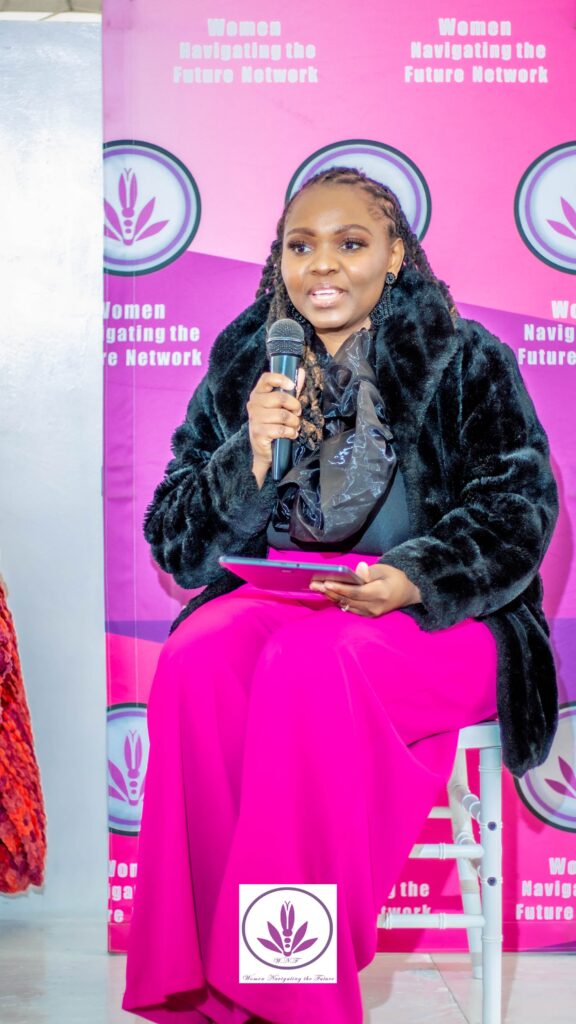
Founded in 2016, Women Navigating the Future Network (WNFN) is a dynamic and community-driven non-profit company (NPC) dedicated to empowering women and advancing socio-economic transformation in South Africa. Operating from Gauteng and Mpumalanga, with strategic partnerships in KwaZulu-Natal through the Ugutleke Centre (Newcastle), and expanding into Limpopo and the Eastern Cape, WNFN utilizes financial and professional skills to enable women to drive change in their communities.
Vision Statement
To develop and empower women to be agents of change in their communities and homes, and to spearhead economic and social transformation.
Strategic Objectives
- Create structured, sustainable networking platforms focused on social and economic empowerment.
- Bridge access gaps in knowledge, development opportunities, and resources.
- Challenge systemic inequalities by empowering ethical and inclusive African leadership at grassroots level.
What is your biggest success?
Her leadership has resulted in tangible, measurable outcomes, including:
- Feeding over 5,000 families during the COVID-19 pandemic through community-driven relief campaigns.
- Distributing more than 20,000 sanitary packs to young girls across vulnerable communities.
- Launching the Utulilini Project—a trauma-informed, multi-faceted intervention for gender-based violence (GBV) survivors.
- Pioneering the organization’s financial inclusion pillar, modernizing traditional stokvels and earning the 2024 ABSA Stokvel of the Year Award.
- Introducing the One Home, One Garden initiative to combat food insecurity and create jobs.
- Expanding WNFN’s presence to Mpumalanga, KwaZulu-Natal, Limpopo, and Eastern Cape through strategic partnerships.
What has been your biggest hurdle?
The biggest hurdle has been funding. From the very beginning, Women Navigating the Future Network has grown with very limited financial resources. While our vision has always been bold—centered on empowering women, advancing financial inclusion, and addressing deep-rooted social issues like gender-based violence—turning that vision into sustainable action without adequate funding has been a significant challenge.
One of the most difficult aspects was developing a funding strategy that could match our growth and support our expansion into more provinces. As the needs on the ground increased and more communities sought our support, we found ourselves stretched—rich in passion and purpose, but constrained in operational capacity.
However, despite these limitations, we have achieved a great deal through collaboration. Strategic partnerships, community contributions, and volunteer efforts have played a vital role in helping us execute impactful programs. But the reality remains: with sufficient funding, we could have grown faster and deepened our impact more broadly—reaching more women, expanding support services, and scaling up our successful models of change.
This challenge has only strengthened our commitment to building a sustainable organization and developing funding models that ensure long-term impact. We continue to seek partners who believe in our mission and are willing to invest in real, community-rooted transformation.