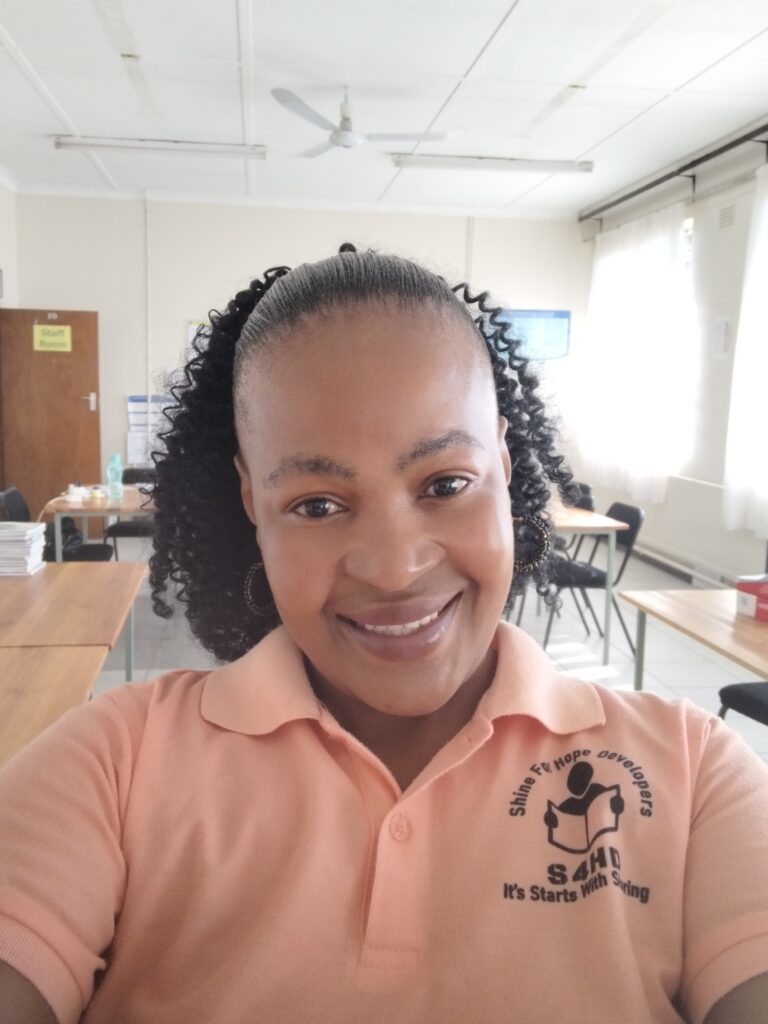
SHINE FOR HOPE DEVELOPERS
What does your company do?
Shine For Hope Developers is a registered non-profit organization (NPO No. 239-830) based in Westonaria, Gauteng. We focus on transforming education and empowering communities through inclusive and high-impact programs. Our work includes literacy and numeracy support, teacher development, academic tutoring, STEM education, and career readiness for youth. We also run parental involvement workshops, assist with matric rewrites, and support bursary and university applications. Our goal is to improve learner outcomes, support educators, and strengthen families, helping build a more educated and resilient society.
What is your biggest success?
My greatest achievement has been founding Shine For Hope Developers and building it into a trusted, impact-driven organization that is transforming education in underserved communities. We have improved early grade reading through our literacy programs, responding to the PIRLS finding that 81% of Grade 4 learners in South Africa cannot read for meaning. We also create employment by training and hiring local youth, ensuring that each team member receives a minimum monthly stipend of R3,500. Despite limited resources, we prioritise fair compensation and skills development. We have built strong partnerships with key stakeholders such as the Department of Basic Education (DBE), South Deep Education Trust (SDET), and other strategic funders. Our work supports several Sustainable Development Goals, including SDG 4 (Quality Education), SDG 1 (No Poverty), SDG 5 (Gender Equality), and SDG 8 (Decent Work and Economic Growth), helping us make a real and lasting impact in the communities we serve.
What has been your biggest hurdle?
Our biggest hurdle has been securing sustainable funding to meet the growing needs of the communities we serve. While the demand for our literacy, numeracy, and youth employment programs continues to rise, consistent financial support remains a challenge. Limited resources have made it difficult to expand our reach, retain staff, and provide adequate materials and transportation, especially in rural and under-resourced areas. Despite this, we have remained committed by finding creative ways to do more with less, building partnerships, and maintaining transparency and accountability in our operations. Balancing community expectations with funding realities is an ongoing struggle, but it has also taught us resilience, strengthened our systems, and deepened our understanding of grassroots development.