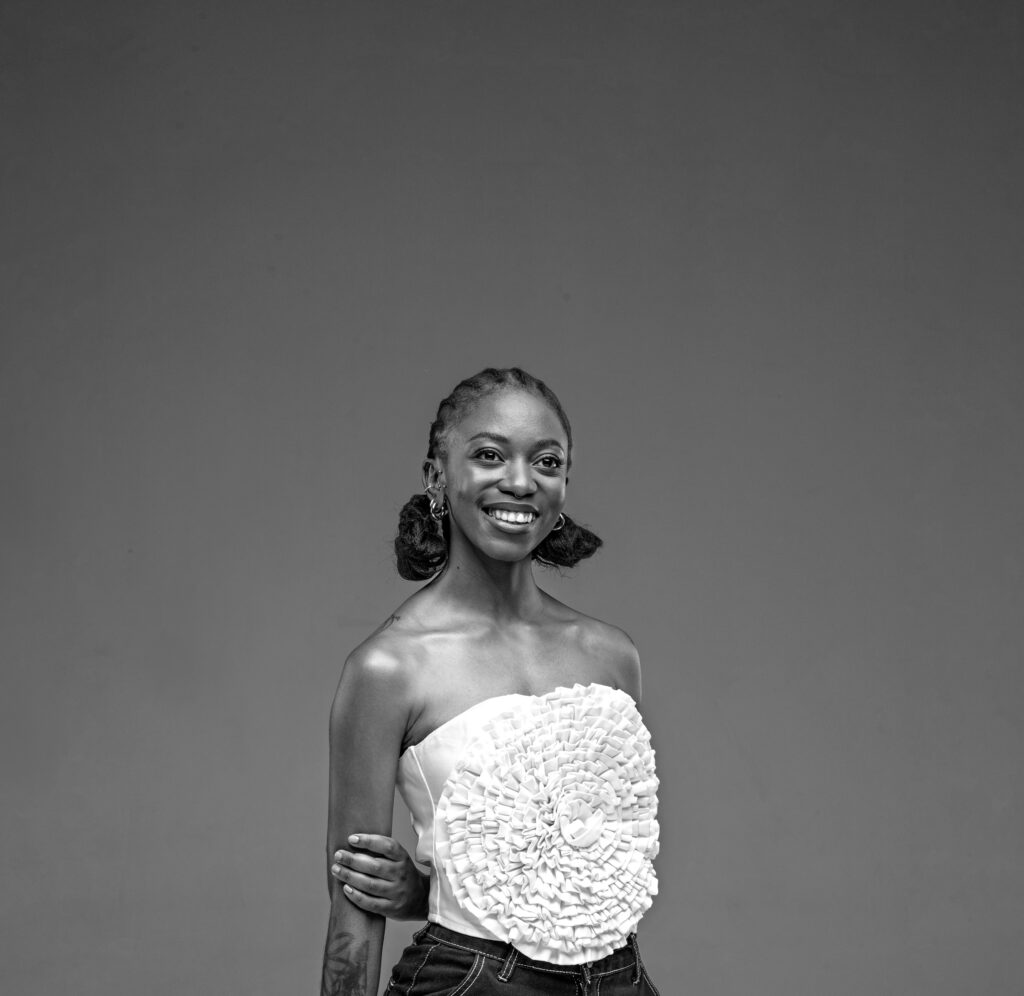
Gadat House
What does your company do?
Gadat House is a fashion brand rooted in ethical production and sustainable systems. In this case, sustainability means creating consistent and reliable jobs while also taking a responsible approach to the environmental impact of our production line. The goal is to evolve into a fully-fledged fashion house, complete with specialised production departments that bring every part of our vision to life.
Our mission is to challenge the idea that luxury can only come from the West.
We create ready-to-wear garments with every aspect of production based locally.
Through fashion and multidisciplinary arts, Gadat House is dedicated to telling authentic African stories, by Africans themselves.
More than just a brand, we’re committed to building a sustainable legacy that empowers and uplifts the people behind the work.
What is your biggest success?
One of my biggest successes would have to be being selected as one of 15 entrepreneurs, chosen from thousands of applicants nationwide, for the 2024 Woolworths Youth Makers competition, a platform that highlights impactful and influential emerging businesses.
I was also honoured to be named one of 50 Pan-African designers chosen to represent the best of African design through the Capitec Handmade Africa platform.
On the storytelling front, my fashion film Amalahle: A Vaal Story was nominated for an international award by the One Point Four Awards, recognising powerful visual narratives from around the world.
What has been your biggest hurdle?
Coming from a resource-limited background, the biggest hurdle I’ve faced was the initial act of starting my brand from the ground up.
I wasn’t just launching a fashion label, I was laying its foundation on ethical values and a luxury standard, all without investor support, while being raised in a township that was both underdeveloped and geographically removed from opportunities for skills training, exposure, and experience.
This journey was made even more challenging by the realities of an industry that often marginalises Black women and rejects our leadership.
To this day, many luxury fashion houses still lack Black women in leadership and creative decision-making roles because fashion remains deeply influenced by systems of sexism, racism, and classism.
I quickly realised that my role wasn’t only to build a business, but also to challenge and reimagine the very system it operates within.
The goal was to bring a new perspective, one rooted in community, integrity, and care.